
Cultivating Courage and Competence: The Promise of Character-Based Leadership in the Fire Service
The Fire Service stands as a cornerstone of community safety, demanding not only technical proficiency but also unwavering courage, sound judgment, and cohesive teamwork. While the emphasis on strategy and tactics is undeniably crucial for effective emergency response, a more holistic approach to leadership development, one that prioritizes character, offers a significant opportunity to elevate both operational effectiveness and the internal culture of firehouses. The Character-Based Leadership framework, championed by the Ivey Business School, provides a robust model for cultivating these essential qualities and addressing some of the inherent challenges within the fire service.
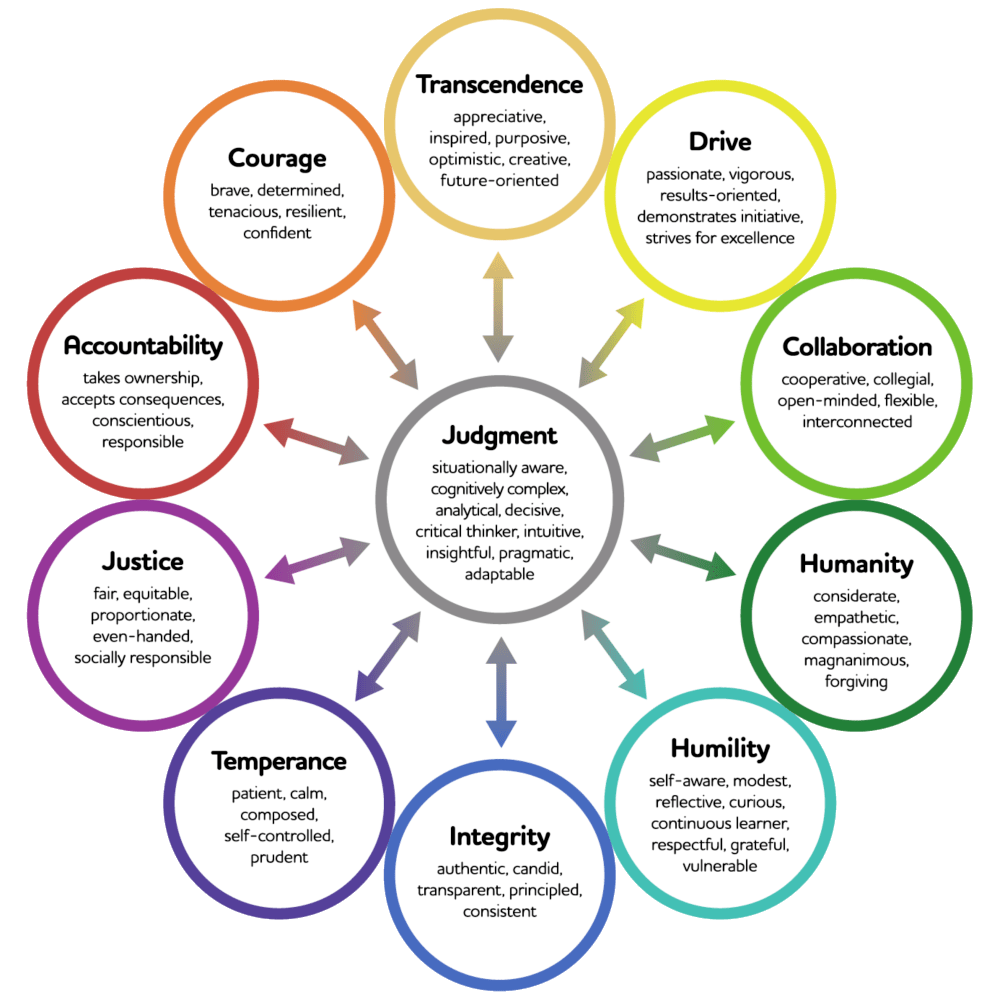
Ivey’s framework posits that leadership effectiveness is deeply rooted in the leader’s character, encompassing virtues such as integrity, courage, justice, temperance, humanity, and transcendence. Integrating these principles into the fire service can yield substantial benefits:
Improving Foreground Operations:
* Enhanced Decision-Making Under Pressure: Leaders with strong character, particularly those exhibiting courage and justice, are more likely to make ethically sound and decisive choices in high-stress, rapidly evolving operational environments. They will prioritize the safety of their crews and the public, resist impulsive actions, and ensure equitable resource allocation.
* Stronger Team Cohesion and Trust: Character-based leaders who demonstrate humanity and integrity foster environments of mutual respect and trust. This translates directly to more effective teamwork on the fireground, where firefighters are more likely to rely on each other, communicate openly, and execute tasks with greater coordination.
* Increased Accountability and Responsibility: Leaders grounded in character promote a culture of accountability. When individuals understand the ethical implications of their actions and are led by example, adherence to safety protocols and operational procedures is likely to improve, reducing errors and enhancing overall safety.
* Effective Risk Management: A leader with temperance and prudence will approach risk assessment with careful consideration, balancing the need for decisive action with a thorough understanding of potential consequences. This can lead to more measured and ultimately safer operational strategies.
Strengthening Firehouse Culture:
* Fostering Respect and Inclusivity: Character-based leadership emphasizes humanity and justice, creating a more inclusive and respectful firehouse environment. This can help address issues of bullying, harassment, and discrimination, leading to improved morale and reduced interpersonal conflict.
* Promoting Ethical Conduct: Leaders who embody integrity set a clear standard for ethical behavior within the firehouse. This can help prevent misconduct, build trust within the community, and maintain the profession’s high ethical standing.
* Encouraging Continuous Learning and Development: Leaders with transcendence, a focus on growth and meaning, can inspire a culture of continuous learning and professional development. This extends beyond technical skills to include the development of interpersonal and leadership capabilities.
* Building Resilience and Well-being: A supportive and ethical firehouse culture, nurtured by character-based leadership, can contribute significantly to the mental and emotional well-being of firefighters, helping them cope with the inherent stressors of the job and build resilience against burnout and trauma.
Recommendations for Implementation:
Integrating Character-Based Leadership principles into the Fire Service requires a multi-faceted approach:
* Leadership Development Programs: Incorporate character-based leadership modules into all levels of officer training, from recruit school to chief officer development. This should involve case studies, ethical dilemmas relevant to the fire service, and opportunities for self-reflection and peer feedback.
* Mentorship and Coaching: Pair emerging leaders with experienced officers who embody strong character. Structured mentorship programs can provide guidance and support in developing these crucial qualities.
* Performance Evaluations: Broaden performance evaluations to include assessments of leadership character and its impact on team dynamics and operational effectiveness.
* Organizational Values and Policies: Explicitly articulate and reinforce organizational values that align with the principles of character-based leadership. Ensure policies and procedures support ethical conduct and accountability.
* Scenario-Based Training: Integrate scenarios into tactical training that require officers to make decisions based on ethical considerations and the well-being of their team, not just tactical advantage.
* Open Dialogue and Feedback Mechanisms: Foster an environment where open communication and constructive feedback on leadership behaviors are encouraged at all levels.
Addressing the Reticence Towards Affective Domain Learning:
A significant challenge lies in the fire service’s historical emphasis on the psychomotor (skills) and cognitive (knowledge) domains, often overshadowing the affective domain (attitudes, values, and beliefs). Several factors contribute to this reticence:
* Culture of Action and Technical Expertise: The fire service is inherently action-oriented, with a strong emphasis on tangible skills and tactical proficiency. There can be a perception that “soft skills” or discussions about feelings and attitudes are less critical than mastering firefighting techniques.
* Perceived Lack of Immediacy and Tangibility: The benefits of developing character and interpersonal skills may not be as immediately apparent or easily quantifiable as improvements in response times or technical abilities.
* Discomfort with Vulnerability and Self-Reflection: Exploring the affective domain often requires a degree of vulnerability and self-reflection, which can be challenging in a traditionally hierarchical and stoic culture.
* Time and Resource Constraints: Integrating new training modules, particularly those focused on less tangible aspects like character development, can be perceived as an added burden on already demanding schedules and limited resources.
* Preference for Concrete Strategy and Tactics: Firefighters and officers are often drawn to the intellectual challenge and demonstrable impact of mastering strategy and tactics. The development of “impersonal skills” may seem less engaging or directly relevant to their primary mission.
Overcoming the Challenges:
To overcome this reticence, a deliberate and strategic approach is necessary:
* Connect Affective Skills to Tangible Outcomes: Clearly demonstrate how character-based leadership and improved interpersonal skills directly contribute to safer operations, better teamwork, reduced conflict, and improved mental health – outcomes that are highly valued within the fire service.
* Integrate Affective Learning into Existing Training: Rather than creating separate “soft skills” training, weave discussions about ethics, communication, and teamwork into existing tactical and strategic training scenarios.
* Utilize Peer Influence and Success Stories: Highlight examples of how character-based leadership has positively impacted fire service organizations and individual careers. Encourage respected leaders within the service to champion these principles.
* Emphasize the “Human Factor” in Safety: Frame affective domain learning as a critical component of human factors in emergency response, demonstrating its direct link to reducing errors and improving safety.
* Provide Skilled Facilitation and Training: Ensure that training on character-based leadership and interpersonal skills is delivered by experienced facilitators who can create a safe and engaging learning environment.
* Start Small and Build Momentum: Begin by introducing character-based leadership concepts in pilot programs or specific units, showcasing successes and building buy-in before wider implementation.
Conclusion:
The integration of Ivey’s Character-Based Leadership framework holds significant promise for enhancing the effectiveness and well-being of the Fire Service. By cultivating virtues like courage, integrity, and humanity, fire departments can foster stronger teams, improve decision-making on the fireground, and build more resilient and ethical organizational cultures. While the traditional emphasis on strategy and tactics is vital, recognizing the crucial role of the affective domain and proactively addressing the reticence towards its development is essential. By demonstrating the tangible benefits of character-based leadership and strategically integrating its principles into training and organizational practices, the fire service can further strengthen its capacity to serve and protect communities with unwavering competence and profound integrity.
 TonyECorreia